Blooming Hearts: A Designer’s Real-World Review
As an embroidery designer who has spent years digitizing patterns and troubleshooting machine quirks, I approach every new machine embroidery design with a mix of curiosity and caution. We have all seen those digital previews that look flawless on screen but turn into a tangled mess of thread breaks and puckering once they hit the fabric. That is why I took a close look at Blooming Hearts, not just as a graphic element, but as a functional asset for real-world production.
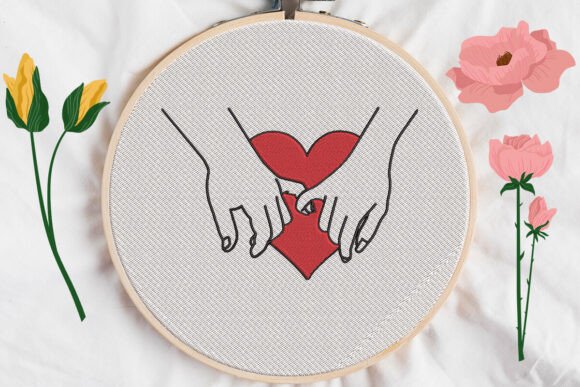
The first impression of Blooming Hearts is one of approachable charm. It does not try to be overly complex or hyper-realistic. Instead, it leans into a trendy, artistic aesthetic that feels modern rather than dated. For those of us running small shops or crafting personalized items, this balance is crucial. A design that is too intricate can overwhelm a simple tote bag, while something too basic might fail to justify a premium price point. This design sits comfortably in the sweet spot, offering enough visual interest to catch the eye without demanding hours of machine time.
Visual Personality and Project Fit
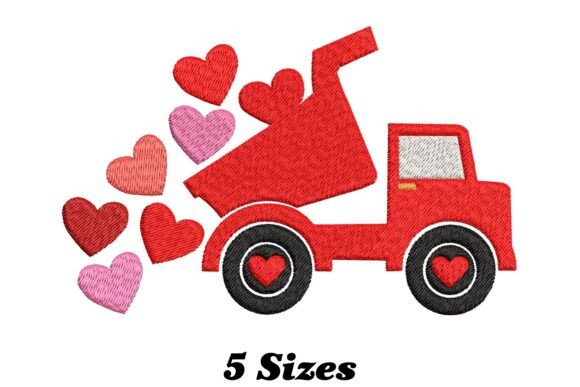
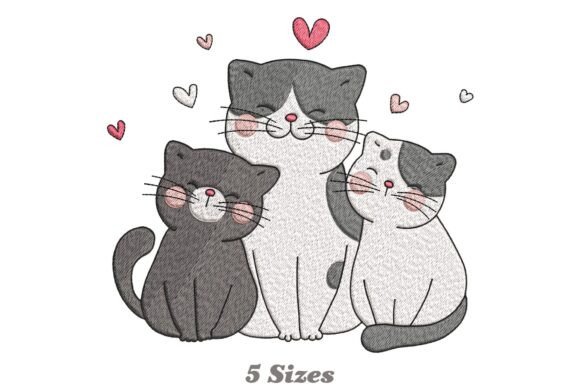
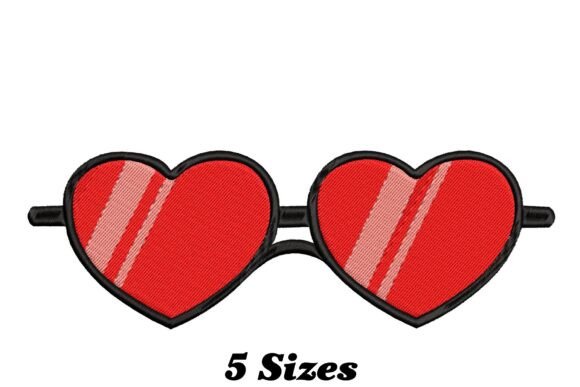
The layout of Blooming Hearts suggests a cheerful mood, making it a natural fit for projects that aim to evoke warmth and affection. While it naturally aligns with Valentine S Day themes due to the heart motif, its artistic execution allows it to transcend seasonal limitations. I can easily envision this working as year-round decor for a nursery, a whimsical accent on a kitchen towel, or a subtle branding element for a boutique that focuses on handmade goods.
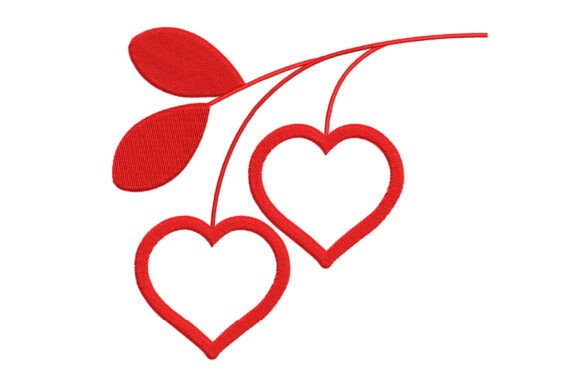
When evaluating the shape and detail level, I noticed the design relies on clean lines and balanced spacing. This is critical for maintaining stitching clarity. In my experience, designs with crowded elements often suffer from poor definition, especially when scaled down. Blooming Hearts appears to have sufficient negative space, which helps each element breathe. This makes it versatile for various applications, from sweatshirt embroidery where texture matters, to smooth cotton canvases used in tote bag design.
Performance in Real-Life Scenarios
To truly understand the value of an embroidery file, you have to imagine it in action. Let us consider a common scenario: preparing a custom order for a client who wants a set of personalized baby items. Here, the softness of the fabric and the durability of the stitch are paramount. If Blooming Hearts utilizes a high ratio of satin stitch borders with lighter fill stitch interiors, it would perform well on baby clothes, provided the density is managed correctly. Heavy density on thin knit fabrics can cause tunneling or stiffness, which is a dealbreaker for parents.
For apparel decorators, this design could shine on caps or curved surfaces. However, this requires careful hoop selection. If the design is wide, it might distort on a standard cap frame. I would recommend testing it on a scrap piece of similar material first. For embroidered patch creation, the clear outlines of the hearts would likely cut cleanly if you are using a merrowed edge or laser cutting, adding a professional finish to the final product.
In the context of home decor, such as pillow covers or aprons, the design adds a layer of artisanal quality. Customers often associate handcrafted details with higher value. By incorporating Blooming Hearts into your handmade product line, you signal attention to detail. It works particularly well on textured fabrics like linen or canvas, where the sheen of the thread contrasts nicely with the matte background.
Technical Considerations and Caution Areas
While the aesthetic appeal is strong, practical application requires vigilance. One area where I advise caution is with very dark fabrics. If the design relies on subtle color gradients, ensure you have high-contrast thread colors available. A dark navy heart on a black shirt will vanish unless you use metallic or bright contrasting threads. Always test your color palette on the actual fabric stock you intend to use.
Another critical factor is stitch density. Without seeing the specific data file, I cannot give an exact count, but visually dense areas can pull on stretchy fabrics. If you are applying this to a jersey t-shirt or a stretchy blanket, a cut-away stabilizer is non-negotiable. For woven fabrics like tea towels, a tear-away might suffice, but always err on the side of more support rather than less. Poor stabilization leads to puckering, which ruins the professional look of even the most beautiful design.
Be mindful of small details if you plan to scale the design down. Tiny connecting lines or delicate curves may not stitch out cleanly at smaller sizes. If you are creating baby embroidery on booties or bibs, check the minimum recommended size. If the provider does not list this, run a test stitch at 50% scale to see if the needles skip or the thread breaks.
Commercial Viability and Brand Consistency
For Etsy sellers and creative entrepreneurs, the commercial potential of Blooming Hearts lies in its versatility. It can serve as a standalone focal point or be combined with text for a personalized gift. When creating printable mockup assets for your online store, this design photographs well because of its distinct shapes. Clear imagery drives buyer engagement and builds trust.
However, before listing any finished items, you must confirm the licensing terms. Does the purchase of this digital embroidery file allow for unlimited commercial sales? Are there restrictions on mass production? These details are vital for protecting your craft business. Never assume; always read the license agreement provided by the designer.
From a branding perspective, consistency is key. If your shop specializes in rustic, vintage styles, ensure that the modern touch of Blooming Hearts aligns with your overall aesthetic. It can be a great way to refresh your catalog, but it should not feel disjointed from your other design assets.
Final Designer Notes
Before committing to a large batch of custom apparel or holiday gifts, follow these steps:
- Test on Scrap Fabric: Always stitch a sample on the exact material you will use for the final product.
- Check Thread Contrast: View your design in black and white to ensure the shapes remain distinct without color reliance.
- Verify Hoop Size: Ensure the design fits within your machine’s maximum hoop dimensions without requiring re-hooping.
- Inspect Small Details: Zoom in on the digitized file to check for unnecessary jump stitches or overly dense areas.
- Confirm Licensing: Double-check if the file permits commercial use for physical goods or digital resale.
In conclusion, Blooming Hearts offers a blend of artistic flair and practical usability. It is not just a decorative element; it is a tool for enhancing the perceived value of your work. Whether you are decorating a single tote bag for a friend or producing inventory for a small shop, this design holds up under scrutiny. With proper preparation and attention to technical details, it can become a reliable staple in your embroidery toolkit, delivering cheerful, professional results that customers love.