Candy Heart Embroidery: A Designer’s Review
As an embroidery designer who has spent years testing digital files for real-world application, I approach every new machine embroidery design with a mix of excitement and skepticism. We all know that what looks perfect on a screen does not always translate seamlessly to fabric. Recently, I had the opportunity to test the Candy Heart design, a piece marketed for its ability to enhance fabrics with a dash of character. My goal was simple: determine if this trendy motif holds up under the scrutiny of a professional personalized gift shop environment. Is it merely cute, or is it a viable asset for serious Etsy sellers and small business owners?
First Impressions: Mood and Aesthetic Appeal
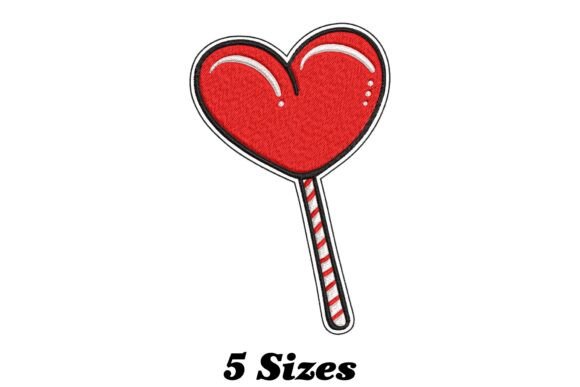
Upon loading the digital embroidery file into my editing software, the first thing that struck me was the balance between playfulness and elegance. The Candy Heart design carries a cheerful and artistic touch that feels both modern and timeless. It avoids the trap of being overly childish, which makes it versatile. While it naturally fits within the Valentine S Day category, its appeal extends far beyond February 14th. The lines are clean, suggesting a design that is meant to be sweet and romantic without sacrificing sophistication.
For a crafter or a handmade product creator, this emotional resonance is crucial. Customers are not just buying a stitch pattern; they are buying a feeling. This design evokes warmth, affection, and a sense of handmade care. Whether used for a baby shower gift or a wedding keepsake, the mood is inviting. It feels like a hug stitched in thread. This inherent charm is what drives buyer engagement and makes the final product photograph well for social media previews.
Versatility Across Product Lines
The true test of any embroidery file is its adaptability. I evaluated how Candy Heart would perform across various substrates commonly found in a custom order queue. Here is where the design truly shines for different niches:
- Baby Embroidery: For nursery items, the soft curves of the heart are ideal. It works beautifully on blanket embroidery projects, adding a personal touch to receiving blankets without overwhelming the delicate fabric.
- Wedding Gifts: When scaled appropriately, this design can serve as a subtle accent on linen napkins or a pillow cover for the newlyweds. It adds a layer of intimacy to standard home decor.
- Kitchen and Home: An embroidered towel featuring this motif becomes an instant bestseller. It transforms a utilitarian item into a decorative piece that guests notice.
- Apparel and Accessories: On tote bags or aprons, the design acts as a focal point. It is particularly effective for custom embroidery orders where clients want something unique but not overly complex.
For wedding gift designers and baby product creators, the key is placement. The design’s artistic nature allows it to sit comfortably on curved surfaces, such as the corner of a bib or the hem of a curtain, provided the hoop size is managed correctly.
Navigating Technical Challenges
While the aesthetic is strong, practical application requires attention to detail. As an experienced designer, I must highlight areas where Candy Heart requires careful handling. Not every fabric behaves the same way, and ignoring fabric texture can lead to disappointing results.
One major consideration is stitch density. If the design has high density in small areas, it may cause puckering on lightweight fabrics like silk or thin cotton voile. Conversely, on thick terry cloth towels, the stitches might sink in if the density is too low. I strongly advise running test stitches on scrap fabric that matches your customer’s material. This is non-negotiable for maintaining professional standards.
Additionally, consider the limitations of small lettering or fine details if the design includes text elements. On stretchy baby clothes, these details can distort during wear and washing. Using the proper stabilizer is critical. For knits, a cut-away stabilizer provides necessary support, while woven fabrics may only need a tear-away. Always check the small details after stitching to ensure clarity. If the threads blend too much, the artistic touch is lost.
Fabric and Color Considerations
Color contrast plays a pivotal role in the success of this design. On dark fabric, light thread colors will pop, creating a striking visual. However, on white or pastel backgrounds, you must ensure the thread shade is distinct enough to define the shape. I recommend creating a printable mockup or digital preview to show customers how the design looks on both light and dark backgrounds before they commit to a purchase. This builds trust and reduces return requests.
Enhancing Perceived Value and Giftability
Why does a specific design matter for a small shop product? Because it directly influences perceived value. A generic heart might feel mass-produced, but Candy Heart feels curated. When a customer receives a personalized gift featuring this design, they perceive higher quality. This emotional connection translates into positive reviews and repeat business for the Etsy seller.
In the context of commercial embroidery, using a distinctive design helps differentiate your brand. It signals that you care about the artistic merit of your work. For holiday seasons, especially around Valentine S Day, having a design that is both trendy and classic allows you to market your items as limited-edition or seasonal specials, driving urgency and sales.
Practical Steps for Implementation
Before adding Candy Heart to your inventory, follow this checklist to ensure a smooth production process:
- Verify File Specifications: Since the product description mentions it is a machine embroidery design but does not specify exact technical data, you must check the file properties. Confirm the hoop size requirements to ensure it fits your machine’s capabilities.
- Check Licensing: Always confirm commercial licensing terms before selling finished products. Ensure you have the right to use the design for profit.
- Test Stitching: Run the design on various materials, including textured fabrics and stretchy knits, to identify any potential issues with tension or registration.
- Optimize Thread Palette: Experiment with different thread combinations. Sometimes, using variegated thread can add depth to the heart shape, enhancing its artistic appeal.
- Photograph the Finished Product: High-quality images of the stitched result are essential for online listings. Show the texture and the sheen of the thread to highlight the handmade quality.
In conclusion, Candy Heart is a robust addition to any embroidery designer’s library. It bridges the gap between playful charm and professional execution. By paying attention to stabilizer choice, fabric texture, and color contrast, you can leverage this design to create stunning personalized gifts. Whether for a baby’s first blanket or a romantic anniversary present, this design delivers the emotional impact that customers seek. It is a reliable tool for enhancing your fabrics with character, ensuring that every stitch contributes to a memorable handmade product.