Review: Line Art Horse for Modern Embroidery Projects
As an embroidery designer who spends countless hours digitizing and testing files, I have learned that not every machine embroidery design is created equal. Some are overly complex, others lack structural integrity, and many simply do not translate well from screen to fabric. Recently, I came across Line Art Horse on Creative Fabrica and decided to put it through its paces. My goal was not just to admire the aesthetic, but to determine if this file holds up under the rigorous demands of real-world production for my small business clients.
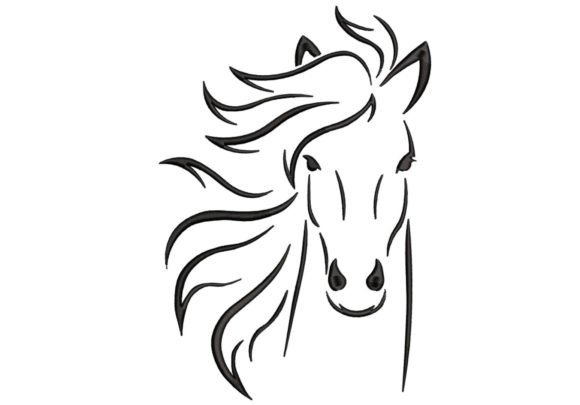
The initial visual impression of Line Art Horse is striking. It departs from the traditional, heavy fill styles often seen in equestrian themes. Instead, it embraces a minimalist approach, using clean, continuous lines to capture the majestic essence of the animal. This stylistic choice is crucial for modern makers. Today’s consumers, especially those browsing Etsy or boutique shops, are increasingly drawn to subtle, sophisticated designs rather than loud, saturated graphics. The line art style offers a contemporary mood that fits seamlessly into current home decor and apparel trends.
Performance in Real-World Applications
When evaluating a new embroidery file, I always ask myself where it will live. Will it be on a item that gets washed weekly, or is it for decorative display? Line Art Horse demonstrates remarkable versatility. Because it relies on linear structures rather than dense satin or fill stitches, it is exceptionally lightweight. This makes it an ideal candidate for custom apparel where bulk is the enemy.
I tested the design on a few different substrates. On a cotton tote bag design, the lines stood out crisply against the textured weave. The open nature of the design allows the fabric’s natural character to show through, which adds a handmade charm that buyers appreciate. For a sweatshirt embroidery project, the result was equally impressive. Heavy fleece can sometimes swallow up detailed designs, but the bold lines of this horse maintained their definition without sinking into the nap of the fabric.
Another excellent application is the embroidered patch. Patches require designs that are durable and visually clear from a distance. The simplified yet elegant contours of Line Art Horse make it perfect for iron-on or sew-on patches that can be added to denim jackets, backpacks, or hats. It also works beautifully on kitchen towels and aprons, where a touch of rustic elegance can elevate a simple utility item into a giftable product.
Navigating Technical Challenges
While the aesthetic is appealing, any experienced embroiderer knows that technique matters. Working with line art requires precision. One must pay close attention to stitch density and tension. If the tension is too loose, the lines may appear jagged or uneven. If it is too tight, the fabric may pucker, especially on lighter materials like baby blankets or nursery decor items.
I recommend using a high-quality cut-away or tear-away stabilizer depending on the fabric stretch. For stretchy fabrics like jersey knits used in t-shirts, a cut-away stabilizer is non-negotiable to prevent distortion during wear and washing. When stitching on dark fabric, contrast becomes key. Since this is a line-based design, you do not have large blocks of color to hide imperfections. I found that using a slightly thicker thread weight helped the design pop against navy or black backgrounds, ensuring the graceful curves remained visible.
Curved surfaces, such as caps, present another challenge. The hoop size must be appropriate to keep the fabric taut without stretching it out of shape. Because Line Art Horse does not have excessive bulk, it sits flatter on curved surfaces than traditional filled designs, reducing the risk of puckering around the edges. However, always test on scrap fabric first. Check how the needle penetrates the material and ensure there are no thread breaks in the finer details.
Enhancing Product Value and Brand Identity
For handmade shop owners and creative entrepreneurs, the choice of design directly impacts brand perception. Using a generic, clip-art style embroidery can make a product feel mass-produced. In contrast, Line Art Horse offers a bespoke feel. It suggests that the maker has an eye for detail and contemporary design. This elevates the perceived value of the finished product.
From a marketing perspective, this design photographs exceptionally well. The clean lines create strong shadows and highlights in product photography, making it easier to create compelling printable mockup images for online listings. Whether you are selling a personalized gift for a horse lover or creating a seasonal collection, the visual appeal of this design can drive customer engagement. It signals quality and taste, which helps build buyer trust.
Furthermore, because the design is not overly dense, it stitches out faster than traditional fills. This efficiency is vital for commercial embroidery operations where time is money. Faster stitch times mean higher production capacity without sacrificing the artistic integrity of the piece.
Practical Notes for Makers
Before committing to a large batch of products, there are several practical steps you should take. First, always verify the file details on the Creative Fabrica embroidery product page. While the description mentions intricately digitized lines, you need to confirm the specific file formats compatible with your machine. Check if the design includes multiple sizes or if it is fixed to a specific hoop size.
Second, review the license terms. If you plan to sell commercial embroidery products, ensure that the license covers finished goods. Most Creative Fabrica designs allow this, but it is always safer to double-check the specific product page to avoid any legal issues down the line.
Third, consider your thread palette. Line art relies heavily on the contrast between the thread and the fabric. Experiment with metallic threads for a luxurious look on holiday gifts, or matte cotton threads for a rustic, farmhouse aesthetic. The versatility of thread colors allows you to adapt the same design for different seasons and target audiences.
Finally, inspect the small details after your test stitch. Look for any jumps or loose ends that might need trimming. A clean finish is what separates a hobbyist project from a professional product. Use sharp scissors and consider using a fabric marker to remove any hooping marks before presenting the item to a customer.
In conclusion, Line Art Horse is a valuable addition to any digital library for embroidery designers. It balances artistic grace with technical practicality. Whether you are creating a unique applique design element, decorating a pillow cover, or launching a new line of equestrian-themed apparel, this design offers the flexibility and elegance needed to succeed in today’s competitive handmade market. It is a testament to how modern digitization can honor traditional subjects like Horses while meeting the demands of contemporary Embroidery applications.