Review: The Figure Skater in Retro Style for Boutique Apparel
As an embroidery designer who spends half my life staring at digitized files and the other half testing them on actual garments, I have developed a keen eye for what sells. When I stumbled upon The Figure Skater in Retro Style on Creative Fabrica, I didn’t just see a cute winter motif; I saw a potential anchor for a seasonal capsule collection. For boutique owners and Etsy sellers looking to elevate their cold-weather offerings, this design offers a nostalgic charm that feels both timeless and trendy.
First Impressions: Visual Personality and Stitching Mood
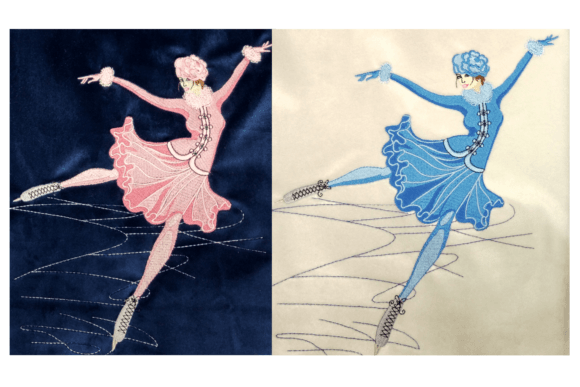
The immediate appeal of The Figure Skater in Retro Style lies in its aesthetic balance. It is not overly complex, which is a blessing for production efficiency, yet it retains enough detail to feel premium. The retro styling suggests a mid-century illustration vibe—clean lines, graceful posture, and a sense of movement frozen in time. This isn’t just a generic snowflake or Santa clipart; it has character.
From a technical standpoint, the design appears to have been tested by embroidery, ensuring a minimum number of jumps and trims, which is crucial for maintaining stitch quality on stretchy fabrics. The visual mood is playful yet elegant, making it versatile enough for children’s wear, teen fashion, or even adult loungewear that leans into the "cozy chic" trend. It feels feminine without being saccharine, and classic without being dated.
Strategic Placement for Sweatshirts and Hoodies
When planning a small sweatshirt or hoodie collection, placement is everything. The Figure Skater in Retro Style shines in several key areas:
- Hoodie Chest Placement: Centered on the left chest, this design acts as a subtle brand marker. On pastel hoodies or neutral oatmeal tones, the retro figure stands out beautifully, offering a boutique look that rivals high-end retail brands.
- Sleeve Accents: For a more dynamic look, consider placing a smaller version on the upper sleeve. This works exceptionally well on oversized garments where the extra fabric provides a stable canvas for embroidery.
- Back Designs: If the file allows for scaling, a larger version centered on the back of a heavy fleece hoodie creates a statement piece. This is ideal for customers who want their handmade product to be recognized from a distance.
For sweatshirt embroidery, the key is managing the pile of the fabric. Since this design has a unique structure, it likely avoids excessive density that can cause puckering on thick fleece. However, always verify the stitch density in the preview before committing to a full production run.
Versatility Across Apparel and Accessories
Beyond hoodies, this machine embroidery design is surprisingly adaptable. I envision it working wonderfully on denim jackets, where the contrast between the rugged denim texture and the graceful skater creates a compelling visual tension. For t-shirt embroidery, it adds a touch of whimsy to basic cotton tees, perfect for layering under cardigans during the Winter months.
Do not overlook accessories. A tote bag featuring The Figure Skater in Retro Style becomes an instant bestseller for holiday markets. The design’s clean lines translate well to canvas, provided you use a cut-away stabilizer to prevent distortion. For cozy seasonal outfits, think matching sets: a skater on the hoodie and a coordinating element on the sweatpants cuff.
Navigating Technical Challenges
While the design is tested, every garment presents unique challenges. Here is where my experience as a designer comes into play regarding practical application:
- Fabric Texture and Stabilizer: Fleece and ribbed fabrics are notorious for eating stitches. Always test on scrap fabric first. For fluffy fleece, a topping stabilizer is non-negotiable to keep the stitches visible and prevent them from sinking into the pile.
- Stretchy Fabric: If you are embroidering on jersey knits or stretchy blends, ensure your hoop size is appropriate and that you are using a stabilizer that can handle the tension. Curved surfaces, like the shoulder area, require careful hooping to avoid wrinkles.
- Dark Garments: Thread color contrast is vital. On dark apparel, ensure you choose thread colors that pop. A retro palette might include muted pastels or bold primary colors, but they must stand out against navy or black fabrics.
- Dense Stitch Areas: Check the design for any overly dense sections. If the skater’s dress or hair has high stitch density, it may stiffen the fabric. Adjusting the pull compensation or density in your software might be necessary if you have the editable file, but usually, tested designs from Creative Fabrica are optimized for general use.
Enhancing Brand Identity and Value
Using a distinctive design like The Figure Skater in Retro Style does more than just decorate a garment; it builds brand identity. In a saturated market of generic holiday items, a cohesive collection featuring a specific artistic style helps customers recognize your work. It signals that you are a curator of quality, not just a printer of trends.
This attention to detail affects buyer trust. When a customer sees consistent, high-quality embroidery with no loose threads or puckering, they associate that reliability with your boutique brand. Furthermore, this design lends itself beautifully to lifestyle product photos and printable mockups. Imagine a flat lay with a vintage skate, hot cocoa, and the embroidered hoodie—the narrative sells itself.
Practical Notes for the Commercial Embroiderer
Before you list this as a commercial embroidery product on your Etsy shop or website, take these final steps:
- Confirm Licensing: Always check the Creative Fabrica product details and licensing terms. Ensure that the license covers the sale of finished physical goods, which is standard for most embroidery files on the platform, but verification is key for peace of mind.
- Check File Formats: The description mentions it is a digital embroidery file, but does not specify formats. Confirm that the download includes the format compatible with your machine (e.g., PES, DST, JEF) before purchasing.
- Test Stitch Count: While the design has a minimum number of stitches implied by its efficiency, always check the actual stitch count in your software to estimate production time accurately.
- Visual Consistency: If you plan to use this across multiple products, maintain consistent thread colors. This creates a recognizable look for your small shop product line.
In conclusion, The Figure Skater in Retro Style is a strong contender for any designer looking to add a touch of nostalgic elegance to their Winter collection. It balances aesthetic appeal with practical embroiderability, making it a smart choice for both novice crafters and seasoned professionals. By paying attention to fabric choice, stabilizer selection, and placement, you can transform this simple digital file into a high-value handmade product that resonates with customers seeking unique, quality apparel.