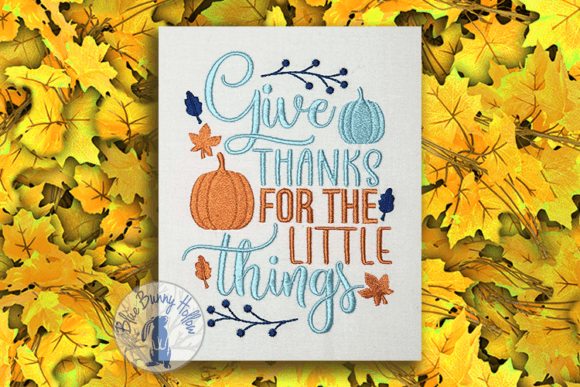
Reviewing Give Thanks for the Little Things Design
As an embroidery designer who has spent years curating collections for the holiday rush, I know that the difference between a bestseller and a forgotten listing often comes down to emotional resonance. When I first loaded the Give Thanks for the Little Things machine embroidery design into my software, I was immediately struck by its ability to capture the essence of autumn without relying on clichés. This is not just another pumpkin patch graphic; it is a thoughtful composition that speaks directly to the heart of the season.
The design showcases pumpkins and leaves in a charming arrangement that feels both rustic and refined. For Etsy sellers and small shop owners planning their seasonal embroidery lineup, this piece offers a versatile foundation. It balances the cozy simplicity of fall with a polished aesthetic that appeals to modern buyers looking for handmade gifts that feel personal and meaningful.
First Impressions and Seasonal Mood
The visual tone of Give Thanks for the Little Things is undeniably warm and inviting. The interplay between the organic shapes of the leaves and the rounded forms of the pumpkins creates a sense of balance that is pleasing to the eye. From a designer’s perspective, the detail level is calibrated perfectly. It is intricate enough to look premium on a finished product but not so dense that it becomes stiff or overwhelming on softer fabrics.
This design leans heavily into the nostalgic and cozy aspects of Thanksgiving and the broader fall season. It avoids being overly childish, which makes it suitable for a wide demographic, from young families creating matching outfits to adults seeking elegant home decor. The emotional trigger here is gratitude and comfort, two powerful drivers during the holiday shopping period.
Strategic Product Applications
When building a seasonal shop collection, versatility is key. I evaluated how this embroidery file would perform across various popular categories. Here is where this design truly shines:
- Sweatshirt Embroidery: The design scales beautifully on the left chest of a crewneck sweatshirt. It adds a subtle, sophisticated touch that elevates basic apparel into a trendy, limited-edition item.
- Kitchen Towel Embroidery: Placed near the hem of a linen or cotton towel, this motif transforms a utilitarian item into a festive hostess gift. The natural themes complement the texture of kitchen linens perfectly.
- Tote Bag Design: For canvas totes, the sturdy stitch structure holds up well against daily use. It creates a charming accessory for farmers' market trips or grocery runs during the harvest season.
- Pillow Cover Accents: Centered on a neutral-toned pillow cover, the design becomes a focal point for living room decor. It invites guests to sit and stay, enhancing the cozy atmosphere of the home.
- Embroidered Patches: If you offer iron-on or sew-on patches, this design is compact enough to remain clear even at smaller sizes, making it ideal for denim jackets or backpacks.
Beyond these staples, consider using this digital embroidery file for aprons, baby onesies, and even ornament blanks. The adaptability of the layout allows for creative bundling, such as pairing a tote bag with a matching kitchen towel for a high-value gift set.
Navigating Technical Challenges
While Give Thanks for the Little Things is robust, every designer knows that technical execution determines customer satisfaction. There are specific scenarios where caution is required to ensure the highest quality finished product.
First, consider the hoop size. While the design is flexible, shrinking it too much for tiny items like baby socks or small ornaments may cause the lettering or fine leaf details to merge. Always test a sample on your smallest intended hoop to verify legibility. Conversely, if you are stitching on thick towels or heavy denim, ensure your needle and thread weight are appropriate to prevent puckering.
Stitch density is another critical factor. On stretchy garments like knit sweatshirts, using a proper stabilizer is non-negotiable. Without adequate support, the weight of the embroidery can distort the fabric over time. I recommend using a cut-away stabilizer for garments that will undergo repeated washing, as it provides long-term stability.
Additionally, be mindful of fabric texture and color. On dark fabrics, standard thread colors may not pop as expected. You might need to adjust your thread palette or use an underlay stitch strategy to ensure visibility. Metallic threads can add a festive shimmer but often require slower stitching speeds and careful tension adjustments to avoid breakage.
Boosting Sales and Brand Consistency
From a business standpoint, incorporating Give Thanks for the Little Things into your inventory can significantly enhance buyer emotion and product value. Holiday shoppers are not just buying an object; they are buying a feeling. This design facilitates that connection by evoking warmth and tradition.
For social media previews, this design photographs exceptionally well. The contrast between the earthy tones of the pumpkins and leaves against neutral backgrounds creates visually appealing content that stops the scroll. Use these images to create printable mockups and promotional graphics that highlight the handmade nature of your work.
Consistency is vital for brand trust. If your shop specializes in rustic or farmhouse-style goods, this embroidery file aligns perfectly with that aesthetic. It reinforces your brand identity as a curator of cozy, high-quality seasonal items. Furthermore, offering personalized options, such as adding a family name below the design, can increase the perceived value and justify a higher price point.
Practical Designer Notes for Execution
Before you list this as a commercial embroidery product, take these practical steps to ensure success:
- Test Thread Colors: Stitch out samples on both light and dark fabrics. Create a color chart to show customers how the design looks in different palettes, such as traditional autumn oranges and browns or modern muted sage and cream.
- Check Stitch Density: Review the digitizing settings. If the density is too high for delicate fabrics, consider adjusting the pull compensation or using a lighter thread weight.
- Confirm Hoop Size: Verify the maximum and minimum dimensions provided with the digital embroidery file. Ensure your machine can accommodate the largest version if you plan to offer multiple sizes.
- Use Proper Stabilizer: Match the stabilizer to the fabric. Tear-away for stable woven fabrics like towels, and cut-away for stretchy knits like sweatshirts.
- Review Small Details: After stitching, inspect the tiny leaf veins and lettering. Ensure there are no loose jumps or missed stitches that could unravel after washing.
- Plan Matching Palettes: Coordinate this design with other items in your collection. A cohesive color story across your products encourages larger basket sizes.
- Confirm Commercial Licensing: Always review the license terms associated with the embroidery file. Ensure you have the rights to sell finished products featuring this design, especially if you are an Etsy seller or small business owner.
In conclusion, Give Thanks for the Little Things is more than just a seasonal motif; it is a strategic asset for any embroidery business looking to capture the holiday spirit. By understanding its technical requirements and leveraging its emotional appeal, you can create standout products that resonate with customers and drive sales during the busiest time of the year.