Scissors and Sewing Thread: A Designer’s Review
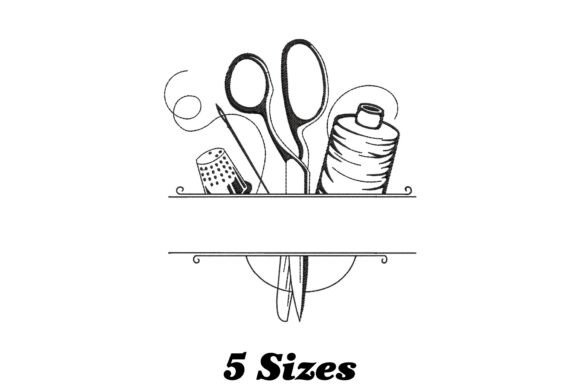
As an embroidery designer who spends more time with a needle in hand than not, I am always on the lookout for designs that bridge the gap between technical precision and emotional storytelling. When I first loaded the Scissors and Sewing Thread machine embroidery design into my software, I was immediately struck by its narrative potential. This is not just a graphic; it is a symbol of the craft itself. For those of us running small shops or selling on Etsy, finding a motif that resonates with both the maker and the recipient is rare. This design promises to give your fabrics a stylish update, embellishing t-shirts, towels, or home decor with a vibrant and imaginative flair. But does it hold up under the scrutiny of a professional review? Let’s dive into how this piece performs in a real-world production environment.
The First Impression: Charm and Craftsmanship
The initial mood of Scissors and Sewing Thread is undeniably charming. It strikes a balance between playful and classic, making it versatile enough for a variety of personalized gift categories. The imagery evokes the warmth of a handmade product, suggesting care, patience, and creativity. For a customer looking for a meaningful embroidered gift, this design speaks directly to their love for the craft. Whether it is for a fellow crafter, a sewing enthusiast, or someone who appreciates the aesthetic of vintage tools, the emotional appeal is immediate.
In terms of detail level, the design appears to capture the essence of sewing tools without becoming overly complex. This is crucial for maintaining stitch integrity across different fabric textures. The elegance lies in its simplicity. It feels sweet yet sophisticated, avoiding the clutter that often plagues lesser digital embroidery files. When I visualized this on a finished product, I saw it working beautifully as a centerpiece for a custom tote bag or as a subtle accent on an apron. It is modern enough for contemporary home decor but retains a timeless quality that appeals to traditionalists.
Versatility Across Product Lines
One of the strongest assets of this design is its adaptability. As a designer planning inventory for a personalized gift shop, I look for motifs that can span multiple product types. Scissors and Sewing Thread excels here. Imagine this design stitched onto a high-quality linen embroidered towel. The contrast of the thread against the textured fabric creates a tactile experience that elevates the perceived value of the item. It transforms a simple kitchen accessory into a cherished keepsake.
For baby embroidery projects, this design offers a gentle introduction to the world of crafts. While it may not be a typical "baby" motif like a teddy bear, it works wonderfully for a "Maker Mom" or as part of a nursery decor theme centered around creativity. Stitched onto a soft blanket embroidery project, it becomes a legacy item, something a child might keep long after they have outgrown their crib. Similarly, for wedding gifts, this design can be customized with names or dates, turning a standard pillow cover into a unique commemorative piece for a couple who loves DIY projects.
Etsy sellers and small business owners will appreciate how this design photographs. The clear lines and recognizable shapes make for excellent printable mockup previews. When customers scroll through listings, they need to instantly understand the product. This design communicates "handmade quality" at a glance, boosting buyer engagement and trust. It signals that the seller understands the craft, which is a powerful marketing tool for any handmade product.
Navigating Technical Challenges
While the aesthetic appeal is strong, practical application requires careful consideration. Not every fabric is created equal, and Scissors and Sewing Thread must be treated with respect regarding placement and material. When working with delicate details, such as the thin handles of the scissors or the winding thread, one must be cautious with fabric texture. Thick towels can sometimes swallow fine stitches, so adjusting the stitch density or using a sharper needle is advisable.
Stretchy baby clothes present another challenge. If you plan to use this design on a onesie or a knit t-shirt, proper stabilization is non-negotiable. A cut-away stabilizer is often best for garments that will undergo frequent washing, ensuring the design does not pucker or distort over time. Additionally, curved surfaces like the pocket of an apron or the corner of a pillow cover require precise hooping. Always check your hoop size compatibility before purchasing the digital embroidery file. If the design is too large for a standard 4x4 hoop, you may need to resize it, which could affect the clarity of smaller elements.
Color choice is another critical factor. On dark fabric, light thread colors will pop, but you must ensure there is enough contrast to define the shape. Conversely, on light fabrics, darker threads provide definition. I recommend creating test runs on scrap fabric to compare light and dark fabric mockups. This step allows you to verify that the small details remain visible and that the thread colors harmonize with the base material. Never skip this step when preparing for commercial embroidery orders, as consistency is key to customer satisfaction.
Enhancing Giftability and Perceived Value
The ultimate goal of any personalized gift is to create an emotional connection. Scissors and Sewing Thread achieves this by celebrating the act of creation. When a customer receives a tote bag or apron with this design, they are not just receiving an object; they are receiving an acknowledgment of their hobby or profession. This deepens the perceived value of the handmade product. It suggests that the item was made with intention and care, mirroring the effort the recipient puts into their own projects.
For wedding gift designers, this motif can be part of a larger suite of items. Imagine a set including an embroidered towel, a pillow cover, and a tote bag, all featuring variations of this theme. This cohesive approach increases the average order value and positions your small shop product as a premium offering. The design’s ability to convey a story makes it a powerful tool for building brand loyalty. Customers return to sellers who help them express their identity, and this design is a perfect vessel for that expression.
Practical Notes for the Embroiderer
Before you begin stitching your first batch, there are several logistical steps to take. First, confirm the commercial licensing terms of the digital embroidery file. Ensure that you have the right to sell finished products featuring this design, especially if you are an Etsy seller or operate a physical boutique. Licensing terms vary, and protecting your business from legal issues is paramount.
Second, review the stitch density settings in your embroidery software. Some designs come with high density that may cause puckering on lightweight fabrics. Adjusting these settings can improve the drape and feel of the final product. Third, always test on scrap fabric that matches the weight and weave of your final material. Check the small details after stitching to ensure no threads are loose and the shape is crisp. Finally, consider the washability of the threads used. For items like kitchen towels or baby blankets, use colorfast threads that can withstand frequent laundering without fading or bleeding.
In conclusion, Scissors and Sewing Thread is a delightful addition to any embroidery designer’s library. It offers a blend of charm, versatility, and professional appeal that suits a wide range of applications. From baby embroidery to wedding keepsakes, this design has the potential to become a staple in your product lineup. By paying attention to technical details like stabilizer choice, hoop size, and thread contrast, you can ensure that every finished product meets the high standards your customers expect. Embrace the imaginative flair this design offers, and let it inspire your next collection of personalized treasures.