Valentine s Sloth: A Designer’s Craft Fair Review
As an embroidery designer who has spent countless weekends behind a folding table at local markets, I have learned that not every cute design translates into a bestseller. When I first pulled up the Valentine s Sloth machine embroidery design on my screen, my immediate reaction was one of cautious optimism. In the world of handmade goods, especially during the high-pressure Valentine S Day season, you need a design that stops a shopper in their tracks. This particular piece brings a touch of sweetness and charm to fabric projects, but does it have the visual weight to carry a premium price tag? Let us break down how this design performs from the digitizing table to the craft fair booth.
First Impressions and Market Appeal
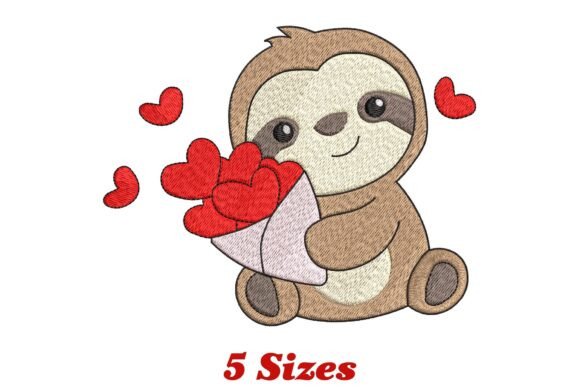
The initial vibe of Valentine s Sloth is undeniably soft and whimsical. It leans heavily into the "kawaii" aesthetic, which remains a massive driver for impulse buys among younger demographics and gift-givers. Unlike traditional heart-heavy Valentine S Day motifs that can feel cliché, this sloth offers a humorous, relaxed alternative. It feels modern yet timeless, avoiding the trap of looking too trendy to last beyond February 14th. For a craft fair seller, this is crucial. You want a craft fair product that sells during the holiday but remains relevant enough to keep in your inventory for spring or general gift seasons.
The design’s charm lies in its simplicity. It does not rely on overly complex shading or minute details that get lost from three feet away. Instead, it uses bold shapes and expressive features that communicate "cute" instantly. This immediacy is vital for booth traffic. Shoppers scan tables quickly; a design that requires explanation often gets skipped. Valentine s Sloth speaks for itself, making it an excellent candidate for high-visibility items.
Strategic Product Placement for Maximum Sales
Choosing the right substrate is half the battle in commercial embroidery. Based on the description, this design is perfect for t-shirts, towels, pillows, and home décor. However, from a production standpoint, some applications yield higher profit margins than others. Here is where I would place this embroidery file in my product lineup:
- Tote Bag Design: This is arguably the strongest contender. A canvas tote provides a flat, stable surface that showcases the sloth beautifully. It is a high-ticket item that customers love for its utility. The design works well as a central focal point, drawing the eye immediately.
- Tea Towel Embroidery: Kitchen textiles are volume sellers. Because the design is described as delightful and charming, it pairs perfectly with waffle-weave or flour sack towels. Just be mindful of the fabric texture; ensure the stitch density does not pucker the lightweight material.
- Apron Embroidery: A bib apron featuring this sloth makes for a fantastic gift for teachers, nurses, or home cooks. It adds personality to a functional item, increasing its perceived value as a handmade product.
- Embroidered Patch: If the design scales down well, turning it into an iron-on or sew-on patch allows you to reach customers who want to customize their own jackets or bags. This is a low-cost, high-margin addition to any display.
While pillow covers are mentioned, I would approach them with caution. Unless the pillow is small and decorative, a single sloth might look lost on a large cushion. Consider pairing it with text or additional elements if the license allows, or use it on smaller throw pillows.
Production Practicalities and Quality Control
Before you commit to batch production for your Etsy seller shop or local boutique, you must address the technical realities of stitching out Valentine s Sloth. Even the cutest design can fail if the execution is poor. Here are the critical checks I perform on every new digital embroidery file:
- Test on Scrap Fabric: Never stitch directly on your final product first. Run the design on the exact same material you plan to sell. Check for puckering, thread breaks, or registration issues.
- Stitch Density and Stabilizer: Evaluate the stitch density. If the sloth has dense fill areas, you will need a cut-away stabilizer to support the weight, especially on stretchy fabrics like t-shirt knits. For woven towels, a tear-away might suffice, but test it to ensure the backing does not leave residue.
- Thread Colors and Contrast: The charm of this design relies on color. Ensure your thread colors pop against the fabric. A dark sloth on a navy shirt will vanish. Use high-contrast combinations to make the design stand out in photos and in person.
- Hoop Size Constraints: Confirm the required hoop size before purchasing. If it requires a large hoop, it may not fit on smaller items like caps or baby onesies. Always check the dimensions provided in the file details.
One specific challenge with animal designs is the eyes and facial features. If Valentine s Sloth includes tiny satin stitches for the eyes, ensure they are not so small that they become indistinct after washing. Tiny details can also cause thread nests if the tension is not perfectly calibrated.
Visual Appeal and Brand Consistency
For a small shop product, consistency is key. Does this sloth fit your brand voice? If your brand is rustic and farmhouse-style, this whimsical character might feel out of place unless styled correctly. However, if your brand focuses on fun, modern, or family-friendly goods, it is a perfect fit. The design enhances visual appeal by adding a narrative element. Customers do not just buy a towel; they buy the story of a lazy, loving sloth celebrating Valentine S Day.
When creating your printable mockup or online listings for Etsy, lighting is everything. Photograph the embroidered item in natural light to show the sheen of the threads. Flat lays work well for tea towels, but lifestyle shots—such as the tote bag being held or the apron being worn—help customers visualize the scale and utility of the finished product.
Final Verdict for the Creative Entrepreneur
In conclusion, Valentine s Sloth is a strong contender for your spring and holiday inventory. It balances cuteness with commercial viability, offering versatility across multiple product types. As a commercial embroidery asset, it has the potential to drive engagement and sales if produced with care. Remember to verify the commercial licensing terms included with your purchase. Some designers allow unlimited physical sales, while others have caps. Always read the fine print to protect your business.
By focusing on high-quality materials, proper stabilization, and strategic product placement, you can turn this delightful design assets into a staple of your craft fair booth. Whether you are an experienced Etsy seller or a weekend warrior at the local market, this sloth offers the sweetness and charm that customers crave. Test it, tweak your thread palette, and watch it bring a smile to your buyers' faces.