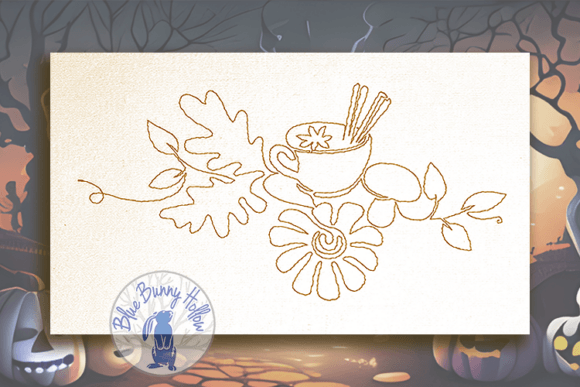
Autumn Cider: A Designer’s Review for Boutique Sweatshirts
As an embroidery designer who has spent years refining digitizing techniques for small clothing brands, I approach every new machine embroidery design with a critical eye. It is not just about whether the file runs smoothly on the machine; it is about how the final stitch-out translates into brand identity and customer desire. Recently, I had the opportunity to test Autumn Cider, a linework embroidery design that promises to harness the aesthetics of fall. After putting it through its paces on a variety of premium sweatshirt blanks, I am ready to share my professional assessment of how this piece fits into a modern boutique collection.
First Impressions: Mood and Aesthetic Appeal
The first thing that strikes you about Autumn Cider is its refined simplicity. In a market saturated with overly complex, high-density fills, this design stands out by embracing negative space. The description notes it is tailored explicitly for quick stitching endeavors, and from a design perspective, this is a significant advantage for production efficiency. The linework style offers a delicate, hand-drawn feel that bridges the gap between rustic charm and modern minimalism.
When I loaded the digital embroidery file into my software, the layout appeared balanced and intentional. It does not scream for attention with bold, heavy blocks of thread; instead, it whispers sophistication. This makes it an impeccable choice for brands aiming for a "quiet luxury" vibe or those targeting customers who appreciate subtle, decorative details over loud graphics. The mood is undeniably cozy, evoking images of crisp air, warm beverages, and layered textures, which aligns perfectly with the Autumn category.
Performance on Sweatshirt Fabrics
The true test of any hoodie design is how it interacts with the fabric texture. Sweatshirts, particularly high-quality fleece or French terry, present unique challenges due to their thickness and nap. I tested Autumn Cider on three distinct bases: a neutral oatmeal heavyweight sweatshirt, a deep charcoal oversized hoodie, and a soft pastel pink crewneck.
On the neutral oatmeal fabric, the design felt organic and earthy. The linework popped just enough to be readable without losing its subtle elegance. On the dark charcoal fabric, I had to be mindful of thread colors. I opted for a warm caramel and cream combination, which created a beautiful contrast that highlighted the intricate lines of the design. The pastel pink provided a surprisingly fresh look, proving that this design is versatile enough to transcend traditional fall palettes if marketed correctly as a year-round cozy staple.
One crucial consideration for sweatshirt embroidery is the stitch density. Because this is a linework marvel, it avoids the puckering issues often associated with dense fill stitches on stretchy or thick fabrics. However, the stability of the garment still matters. I strongly recommend using a cut-away stabilizer rather than tear-away for any commercial apparel use. The weight of the sweatshirt requires permanent support to ensure the design remains flat and durable through multiple wash cycles.
Placement and Branding Strategy
For custom apparel brands, placement is everything. Autumn Cider is versatile enough to work in several key areas. For a standard retail look, a left-chest placement on a hoodie creates a polished, branded appearance. It is small enough to be unobtrusive but detailed enough to draw the eye. I found that scaling the design down for sleeve accents also worked beautifully, adding a unique touch that elevates the perceived value of the handmade product.
If you are creating a statement piece, consider placing a larger version on the back of an oversized hoodie. The linework style scales well because it does not become a solid block of thread when enlarged. This allows the fabric texture to remain visible, maintaining the breathable, comfortable feel of the garment. For Etsy sellers and small shop owners, this flexibility means you can create multiple SKUs from a single embroidery file, maximizing your return on investment.
Practical Designer Concerns
Before adding any new asset to your production line, there are technical boxes to check. While the product description highlights the design’s suitability for quick stitching, it does not specify exact stitch counts or recommended hoop size limits. As a professional, I advise checking these details in the included documentation before starting your run. Ensure your machine’s hoop capacity matches the maximum size of the design if you plan to do large back prints.
Another factor is readability at small sizes. Linework designs can sometimes lose definition if scaled down too far. I tested Autumn Cider at approximately 3 inches wide, and the details remained crisp. However, going below 2 inches might cause the thinner lines to merge or break, depending on your needle size and thread tension. Always run a test stitch on your specific blank to determine the minimum viable size for your equipment.
Washing durability is also paramount for commercial embroidery. Because the design uses less thread volume, it is less prone to snagging, but proper topping is essential if you are embroidering on fuzzy fleece to prevent the threads from sinking into the pile. A water-soluble topping will ensure the finished product looks clean and professional right out of the hoop.
Elevating Brand Identity and Value
In the world of online retail, visual recognition is key. Autumn Cider offers a distinct aesthetic that can help define a boutique brand’s identity. It feels curated and thoughtful, which builds buyer trust. Customers are increasingly looking for items that feel special and unique, rather than mass-produced. By using a design that emphasizes artistry and seasonal mood, you enhance the emotional connection between the wearer and the garment.
For marketing purposes, this design photographs exceptionally well. The interplay of light and shadow on the raised linework adds depth to printable mockup previews and lifestyle product photography. It allows you to showcase the quality of your craftsmanship, highlighting the precision of the stitches against the softness of the fabric. This visual appeal drives customer engagement and can justify a higher price point for your small shop product offerings.
Ultimately, Autumn Cider is more than just a seasonal motif; it is a strategic design asset for creators who value efficiency without sacrificing style. Whether you are decorating cozy seasonal apparel for a holiday drop or adding subtle branding to everyday basics, this linework design delivers a premium finish. Just remember to verify the technical specifications regarding hoop size and file formats to ensure seamless integration into your workflow. With the right preparation, this design can become a staple in your autumn collection, offering both aesthetic beauty and practical reliability for your growing business.