Cute Otter: A Designer’s Review for Boutique Sweatshirts
As an embroidery designer who has spent years refining digitizing techniques for small businesses, I approach every new machine embroidery design with a critical eye. It is not just about whether the image looks good on a screen; it is about how it translates to fabric, how it withstands wear, and ultimately, how it sells. Recently, I evaluated the Cute Otter design for a potential limited-run sweatshirt drop for a boutique brand client. The goal was simple: create a cozy, premium feel that appeals to modern consumers while maintaining production efficiency.
First Impressions and Design Personality
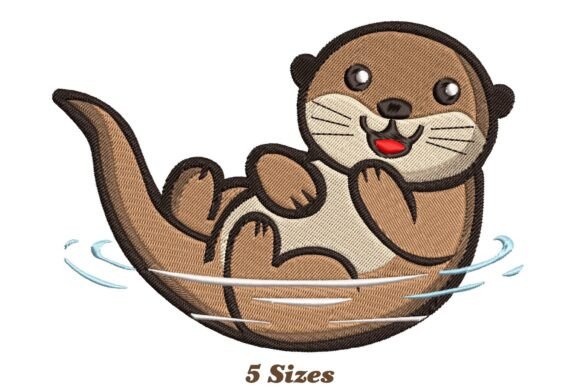
The initial preview of Cute Otter immediately conveys a sense of whimsy. In the world of Marine Mammals themed art, otters occupy a unique niche. They are not as imposing as whales or as sleek as dolphins; they are playful, relatable, and inherently charming. This design captures that essence perfectly. The layout suggests a balance between detail and simplicity, which is crucial for apparel. Overly complex designs can look messy on textured fabrics, while overly simple ones can feel cheap. Cute Otter strikes a middle ground, offering enough stitching personality to feel substantial without overwhelming the garment.
The mood is undeniably playful and cute, yet it retains a level of sophistication that allows it to work in a boutique setting. It does not scream "children's cartoon" but rather suggests a lifestyle aesthetic. This versatility is vital for Etsy sellers and small shop product lines that need to appeal to a broad demographic, from young adults to parents looking for high-quality gifts.
Visualizing Cute Otter on Premium Sweatshirts
When planning a sweatshirt embroidery project, fabric choice dictates the outcome. I tested the visual concept of Cute Otter across several common boutique staples. On neutral sweatshirts, such as heather grey or oatmeal, the design pops with a soft, organic feel. The contrast here is subtle, creating a minimalist vibe that fits well with current trends in slow fashion.
On dark fabrics like charcoal or navy, the design requires careful thread selection. Lighter thread colors will provide high contrast, making the otter stand out boldly. However, one must consider the stitch density. If the design is too dense, it may cause puckering on heavy fleece. If it is too light, the dark fabric might show through the stitches, reducing clarity. For pastel colors, such as blush pink or mint green, Cute Otter adds a delicate, feminine touch. Here, matching thread tones can create a tonal, textured effect that feels expensive and understated.
For oversized hoodies, placement is key. A chest-left placement offers a classic, branded look. Alternatively, using the design as a sleeve accent adds a unexpected decorative element that increases perceived value. Back designs allow for larger scaling, but one must ensure the hoop size accommodates the dimensions without requiring excessive re-hooping or multi-positioning, which can lead to alignment errors.
Technical Considerations for Commercial Production
Transitioning from concept to commercial embroidery requires addressing practical concerns. The description notes that this digital embroidery file is ideal for t-shirts, towels, or home decor, but sweatshirts present unique challenges due to their thickness and pile.
- Fabric Texture and Stabilizer: Sweatshirt fleece is thick and stretchy. Using a cut-away stabilizer is non-negotiable to prevent distortion after washing. The texture of the fleece can sometimes hide fine details, so the stitch path of Cute Otter must be robust enough to remain readable.
- Thread Color Contrast: To maintain the playful nature of the design, I recommend using rayon or polyester threads with a slight sheen. This adds dimension against the matte finish of cotton blends. Avoid flat cotton threads if you want the design to feel premium.
- Washing Durability: A boutique brand relies on customer trust. The design must withstand repeated washing without significant fraying or color bleeding. Testing a sample on the actual garment weight is essential before launching a full production run.
- Small-Size Readability: If scaling down for pocket logos or baby apparel, ensure the finer details of the otter’s face do not merge. Simplified versions or adjusted density settings may be required for smaller hoops.
It is important to note that specific technical data such as exact stitch count, file format compatibility, or precise hoop size limitations are not detailed in the brief description. Therefore, I strongly advise downloading the sample or checking the vendor’s specifications to ensure compatibility with your specific machine setup before committing to a large batch.
Enhancing Brand Identity and Product Value
Incorporating Cute Otter into your collection is more than just adding a graphic; it is a branding decision. For custom apparel businesses, unique designs help differentiate your handmade product from mass-produced alternatives. A well-executed embroidery signals quality. Customers associate the tactile nature of stitching with durability and care.
From a marketing perspective, this design lends itself beautifully to printable mockup creation and lifestyle product photography. Imagine a cozy scene with a steaming mug, a knit blanket, and the sweatshirt featuring the otter. These visuals drive engagement on social media and increase conversion rates for Etsy listings. The whimsical nature of the design encourages sharing, which boosts organic reach.
Furthermore, using a cohesive theme like Marine Mammals can help build a recognizable brand identity. If this otter is part of a larger series, it encourages repeat purchases from customers who want to collect the set. This strategy increases customer lifetime value and fosters a community around your brand.
Final Verdict for Boutique Owners
The Cute Otter embroidery design is a strong contender for any boutique looking to add a touch of charm to their apparel line. It balances playfulness with professionalism, making it suitable for a wide range of applications from casual hoodies to decorative home textiles. Its versatility across different fabric colors and types allows for creative experimentation.
However, success lies in the execution. Pay close attention to stabilizer choices, thread quality, and placement. Treat each piece as a finished product that represents your brand’s standards. By doing so, you transform a simple digital asset into a tangible item that brings joy to the wearer and revenue to your business. Whether you are an experienced decorator or a new crafter, this design offers the flexibility needed to create standout pieces in a crowded market.
Remember to verify all technical specifications of the embroidery file before production. With the right preparation, Cute Otter can become a staple in your seasonal offerings, enhancing your fabrics with the dash of charm promised in its description.