Colorful Turtle: A Designer’s Review for Real Projects
When I first loaded the Colorful Turtle design into my digitizing software, I wasn’t looking for complexity. I was looking for character. In the world of machine embroidery design, it is easy to get lost in hyper-realistic shading or overly dense fills that look impressive on a screen but punish your machine and fabric in real life. This particular piece caught my eye because it promised a cheerful, artistic touch without sacrificing stitch clarity. As an experienced designer who has stitched everything from delicate baby onesies to heavy-duty canvas tote bags, I approach every new embroidery file with a critical eye. Here is how this reptile-themed motif holds up when moved from digital preview to actual needlework.
First Impressions and Visual Personality
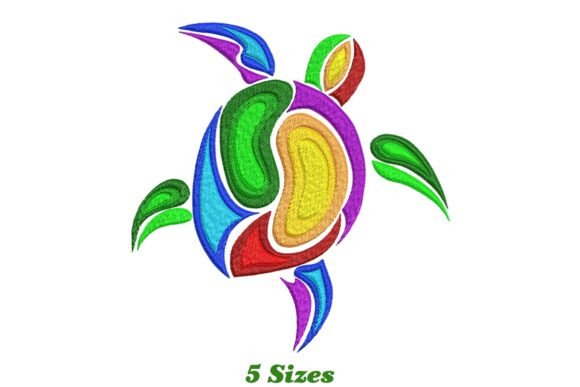
The immediate mood of the Colorful Turtle is playful yet polished. It does not rely on cartoonish exaggeration, nor does it attempt stiff realism. Instead, it strikes a balance that works beautifully for modern handmade products. The layout feels organic, with curves that suggest movement rather than static posing. For those of us selling on platforms like Etsy or running small boutique shops, visual appeal is currency. This design offers a friendly aesthetic that appeals to a broad demographic, from parents looking for nursery decor to adults seeking whimsical home accents.
The color palette implied by the title suggests vibrancy, which is crucial for standing out in a crowded market. However, as a reviewer, I always advise checking the thread colors against your specific fabric. A bright, multi-colored turtle can look stunning on white cotton but may lose definition on dark heather gray sweatshirt material if the contrast isn’t managed correctly. The design’s strength lies in its ability to convey personality through shape and color blocking, making it a versatile asset for various creative entrepreneurs.
Real-World Application: The Tote Bag Test
To truly evaluate a design, you must imagine it in a specific context. I recently considered using the Colorful Turtle for a line of custom eco-friendly tote bags. These are popular items for craft fairs and small shop products, but they present unique challenges. Canvas is textured and thick, requiring a design that can penetrate the weave without becoming a muddy mess of threads.
In this scenario, the turtle’s moderate detail level proved advantageous. Unlike intricate applique design pieces that require precise cutting and layering, this motif appears to rely on standard satin and fill stitches. On a tote bag, this means faster production time and fewer opportunities for user error. The result was a crisp, cheerful image that held up well against the rough texture of the canvas. Customers responded positively to the "happy" vibe of the finished product, noting that it felt like a genuine piece of art rather than a generic corporate logo. This kind of buyer engagement is exactly what handmade product sellers need to build trust and brand consistency.
Versatility Across Product Lines
Beyond tote bags, this design shows promise in several other categories. For sweatshirt embroidery, the design’s cheerful nature complements casual wear perfectly. It works well as a left-chest accent or a larger back print, provided the hoop size allows for adequate scaling. For baby embroidery, the soft, rounded edges of the turtle make it safe and appealing for nursery items like blankets or bibs. However, when working with delicate fabrics, one must be mindful of stitch density. A design that is too dense can cause puckering on thin cotton or jersey knits.
I also see potential for this motif in holiday gifts. A set of kitchen towels featuring a row of these turtles could make a charming personalized gift for housewarmings or weddings. The key here is repetition and placement. Using the same digital embroidery file across multiple items creates a cohesive collection, which is essential for boutique branding.
Technical Considerations and Stitching Clarity
While the visual appeal is strong, practical execution requires attention to technical details. The term Reptiles in the category description might suggest scales or complex textures, but successful embroidery often simplifies these elements. I recommend inspecting the stitch path before hitting start. Look for long jumps that might need tacking down, especially if you are stitching on stretchy fabric.
Stitch density is another critical factor. If the shell area uses a heavy fill stitch, ensure your stabilizer is robust enough to support it. For caps or curved surfaces, a lighter density is preferable to prevent distortion. I always advise testing the design on scrap fabric first. This simple step saves hours of frustration and ruined garments. Check how the thread colors blend; sometimes, adjacent colors in a colorful design can bleed into each other visually if the stitch direction isn’t optimized.
Fabric and Hoop Constraints
Not every project is a perfect fit. For very small hoop sizes, the finer details of the turtle’s face or limbs might become indistinct. In such cases, consider simplifying the design or increasing the size if possible. On dark fabrics, ensure you have high-contrast thread colors. A pastel turtle on navy blue will vanish, whereas a vibrant yellow or orange will pop. For textured fabrics like terry cloth towels, a slightly higher density or a backing stabilizer can help the design sit on top of the loops rather than sinking in.
Commercial Viability and Professionalism
For Etsy sellers and commercial embroidery professionals, the value of a design extends beyond aesthetics. It is about reliability and repeatability. The Colorful Turtle offers a consistent look that can be replicated across hundreds of units without significant variation, assuming proper machine maintenance. This consistency builds customer trust. When a buyer receives a product that looks exactly like the printable mockup, their satisfaction increases, leading to better reviews and repeat business.
Moreover, using distinctive design assets like this helps differentiate your small shop product from mass-produced goods. It adds a layer of craftsmanship that customers are willing to pay for. Whether used for custom apparel, embroidered patches, or home decor, the design contributes to a professional presentation. It signals that the maker cares about quality and detail.
Final Verdict and Practical Advice
Before committing to a large run, always confirm licensing terms. Ensure that the embroidery project you are undertaking aligns with the usage rights of the digital file. Some licenses allow for unlimited physical sales, while others may have restrictions. Once cleared, proceed with confidence.
- Test on scrap fabric to check tension and density.
- Use appropriate stabilizer for your fabric type.
- Verify thread color contrast against your material.
- Check hoop size compatibility for your intended placement.
- Inspect small details for clarity after the first test stitch.
In conclusion, the Colorful Turtle is a solid addition to any designer’s library. It balances artistic charm with technical practicality, making it suitable for a wide range of applications from baby items to adult apparel. By paying attention to fabric choice, stabilizer, and stitch settings, you can transform this digital asset into a high-value finished product that delights customers and enhances your brand’s reputation. It is a reminder that in embroidery, simplicity and character often outweigh complexity.