Crazy Chicken Lady: A Designer’s Review for Branded Merch
As an embroidery designer who has spent years digitizing and testing files for commercial use, I approach every new machine embroidery design with a critical eye. It is not just about whether the image looks cute on a screen; it is about how it performs under the needle, how it wears over time, and how it elevates a brand. Recently, I evaluated the Crazy Chicken Lady design, a piece categorized under Farm Animals that promises versatility for various applications. For small business owners, Etsy sellers, and apparel decorators, understanding the practical utility of this file is essential before adding it to your digital library.
First Impressions and Visual Personality
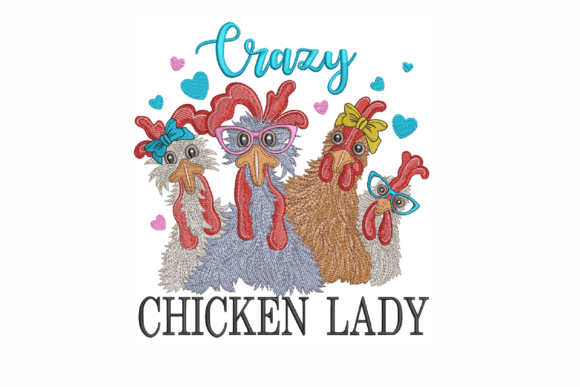
The title alone suggests a playful, humorous tone, but the execution determines its professional viability. Upon reviewing the description, which highlights elements like "Funny Chicken" and "Western Design," the visual personality emerges as rustic yet modern. This is not a stiff, corporate logo. Instead, it feels handmade, friendly, and bold. For boutiques, bakeries, or creative studios looking to inject personality into their small business merch, this aesthetic is invaluable. It bridges the gap between traditional farm imagery and contemporary whimsical trends.
The design’s strength lies in its ability to feel premium despite its playful subject matter. When digitized correctly, such a motif can serve as a charming accent rather than a childish cartoon. This distinction is crucial for brands targeting adults who appreciate artisanal quality and humor. The "Western Design" influence suggests clean lines and perhaps a vintage flair, which pairs exceptionally well with natural fibers and earthy thread palettes.
Real-World Applications for Small Businesses
Versatility is the keyword for any successful digital embroidery file. The product description notes that this design works on items such as pillows, but its potential extends far beyond home decor. Here is how I envision Crazy Chicken Lady performing in a commercial setting:
- Embroidered Patches: This is perhaps the most lucrative application. A well-executed patch can be sold as a standalone product or used to upgrade plain garments. The design’s bold nature ensures it remains visible even when scaled down for a 2-inch patch.
- Staff Uniforms and Aprons: For cafés, florists, or pet brands, staff apparel is a walking billboard. Embroidering this design on the chest pocket of an apron adds a touch of warmth and approachability. It signals to customers that the business values fun and craftsmanship.
- Cap Embroidery: Front-panel caps are a staple of casual branding. The compact nature of a chicken motif fits well within the curved constraints of a cap front, provided the stitch density is managed correctly to prevent puckering.
- Tote Bag Design: Canvas totes are popular for eco-conscious brands. A large-scale version of this design can serve as the primary graphic, turning a simple bag into a statement piece that customers will use daily.
For Etsy sellers and crafters, this design can be integrated into custom apparel lines. Imagine a matching set of tote bags and aprons for a local farmers' market vendor. The cohesive look strengthens brand identity and makes the products instantly recognizable.
Technical Considerations and Production Notes
While the artistic appeal is strong, technical execution is where many designs fail. As a designer, I must advise caution regarding specific production variables. The description does not provide exact stitch counts or hoop sizes, so you must verify these details before purchasing. However, general principles apply to any design of this nature.
Stitch Density and Fabric Texture: If the design features high stitch density, it may pull on lightweight fabrics like thin cotton t-shirts. Always test on a scrap piece of the actual material you intend to use. For textured fabrics like towels or heavy canvas, ensure the design has enough saturation to stand out against the weave. Using the correct stabilizer is non-negotiable; a cut-away stabilizer is often best for items that will undergo frequent washing, such as uniforms or tote bags.
Thread Colors and Contrast: The "Western" and "Farm" themes suggest earth tones, but do not be afraid to experiment. High contrast is key for visibility. If embroidering on dark uniforms, consider using a lighter thread palette or adding a satin stitch border to make the design pop. Always create a printable mockup or a physical sample to check color interaction before running a full production batch.
Small Patch Sizes: When scaling down for small patches or sleeve details, fine details can get lost. Check if the design includes tiny lettering or intricate outlines that might merge together. If the design is too complex for a small area, it may require simplification or resizing limits that you need to confirm with the file provider.
Enhancing Brand Identity and Customer Trust
In the world of handmade goods, perception is reality. A sloppy embroidery job can damage a brand’s reputation, while a crisp, well-stitched design builds trust. Crazy Chicken Lady, when executed properly, contributes to a perception of quality and attention to detail. It shows that the brand cares about the finishing touches.
For boutique merchandise, this design can serve as a conversation starter. Customers are more likely to engage with products that have personality. Whether it is a gift with purchase or a premium add-on, the emotional connection fostered by a fun, well-made design can increase customer loyalty. It transforms a generic item into a unique finished product that carries the maker’s signature style.
Final Verdict for Commercial Use
Before integrating Crazy Chicken Lady into your design assets, take these practical steps:
- Test in Black and White: Remove color from your view to check the structural integrity of the design. If it looks muddy without color, it may rely too heavily on shading rather than stitch direction.
- Confirm Commercial Licensing: Ensure the license terms allow for the sale of physical goods. This is critical for any commercial embroidery project.
- Check Hoop Size Compatibility: Verify that the design fits within your machine’s maximum hoop size, especially if you plan to create larger pillow covers or tote bag panels.
- Create Client Mockups: If you are doing work for hire, present a digital or physical mockup to the client to approve placement and scale.
In conclusion, Crazy Chicken Lady offers a blend of humor and rustic charm that is well-suited for modern small businesses. Its potential as a versatile element for patches, apparel, and accessories makes it a valuable addition to any embroidery shop’s portfolio. By paying attention to technical details like stabilizer choice and thread contrast, you can ensure that this design not only looks good but also stands up to the rigors of daily use. For those in the Embroidery industry looking to expand their offerings with character-driven designs, this file warrants a serious look.