Funny Cow Head: A Designer’s Review for Small Business Merch
As an embroidery designer who has spent years digitizing and reviewing files for commercial use, I approach every new machine embroidery design with a critical eye. It is not just about whether the image looks cute on a screen; it is about how it translates to fabric, how it holds up in production, and ultimately, how it serves the brand identity of the small business owner using it. Recently, I evaluated the Funny Cow Head, a digital asset categorized under Farm Animals, to determine its viability for branded merchandise and professional applications.
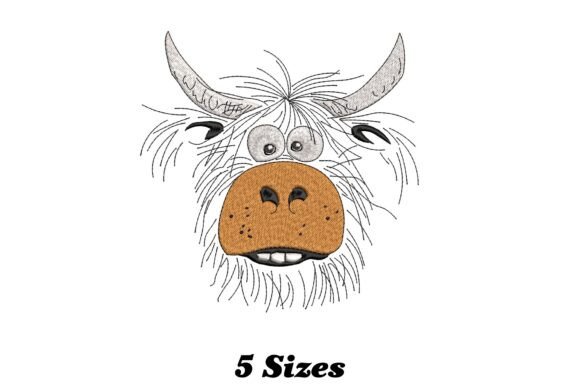
The first impression of this piece is undeniably cheerful. The description promises to enhance fabrics with a dash of character, and visually, it delivers on that premise. It feels playful and artistic rather than strictly rustic or traditional. For modern handmade brands, Etsy sellers, and boutique owners, this distinction is crucial. A design that leans too heavily into "country" aesthetics can limit its appeal, but a trendy, artistic interpretation allows for broader usage across various industries, from creative studios to local bakeries.
Evaluating Visual Personality and Brand Fit
When considering Funny Cow Head for your product line, you must assess its visual personality against your brand values. This design does not scream corporate rigidity; instead, it offers a friendly and approachable vibe. This makes it an excellent candidate for businesses that want to appear accessible and warm. Imagine a local café wanting to create staff aprons that feel less like uniforms and more like part of the community experience. Or consider a pet brand looking for a logo accent that feels organic and fun.
The artistic touch mentioned in the product description suggests that the digitization likely avoids overly rigid, blocky fills. This is beneficial for maintaining a handmade product aesthetic, which is highly valued by consumers today. However, "artistic" can sometimes mean complex. As a designer, I always warn clients that complexity must be balanced with stitch efficiency. If the design relies on intricate outlines or subtle shading, it may require high-quality thread and precise tension settings to look professional on the finished product.
Real-World Applications for Small Business Merch
The versatility of this embroidery file is one of its strongest assets for commercial embroidery projects. Here is how I envision it performing in real-world scenarios:
- Embroidered Patches: This is perhaps the most lucrative application. A well-digitized cow head can serve as a standalone patch for tote bags, denim jackets, or laptop sleeves. Patches allow customers to buy into the brand without committing to a full garment, increasing average order value.
- Custom Apparel and Uniforms: For staff shirts or chef coats, placing this design on the chest pocket area creates a subtle yet recognizable brand mark. It works well for florists, bakeries, or artisanal food producers who want to soften their professional image.
- Cap Embroidery: Caps are a staple of small business merch. However, the curved surface of a cap front requires careful consideration of the design’s width. If the cow head is too wide, it will distort when stitched on a curved panel. I recommend testing a scaled-down version specifically for headwear.
- Tote Bag Design: Canvas totes provide a large, flat surface ideal for showcasing artistic details. The contrast between the thread colors and the natural fabric texture can make the design pop, adding significant perceived value to a simple bag.
Technical Considerations and Production Notes
Before running a bulk order, there are several technical factors to review. The product description notes that the design is ideal for t-shirts, towels, and home decor, but it cuts off before specifying machine compatibility or file formats. Therefore, you must verify the included digital embroidery file formats (such as PES, DST, or JEF) to ensure they match your equipment.
Stitch density is another critical factor. If the design is intended for towels or thick home decor items, a higher density might be acceptable. However, for lightweight t-shirts or delicate fabrics, high density can cause puckering. Always check the stitch count if provided, or run a test stitch on a scrap piece of similar fabric. Using the correct stabilizer is non-negotiable here. For stretchy fabrics like jersey tees, a cut-away stabilizer is often necessary to prevent the design from distorting over time.
Color selection also plays a massive role in the final outcome. While the design may come with recommended thread colors, do not be afraid to adapt them to your brand palette. A black-and-white test run is essential to evaluate the contrast and clarity of the lines. If the details disappear in monochrome, the design may rely too heavily on color changes to define its shape, which can increase production time and cost.
Where to Use Caution
Not every placement is suitable for every design. With Funny Cow Head, avoid using it on items that undergo frequent, harsh washing unless you have tested its durability. Small details in embroidery can loosen or break after dozens of industrial wash cycles. Additionally, be cautious with very small patch sizes. If the design includes fine lines or tiny elements, shrinking it below a certain diameter will result in a muddy, indistinct blob. Always confirm the minimum viable hoop size and scaling limits before offering it as a micro-detail option.
Dark uniforms present another challenge. If the design relies on light threads for highlights, ensure you have a solid underlay or consider using a backing material to prevent the dark fabric from showing through the stitches. This maintains the professionalism and visual consistency of your branded merchandise.
Enhancing Brand Identity and Customer Trust
Ultimately, the goal of using Funny Cow Head is to strengthen brand identity. A consistent, high-quality visual asset builds customer trust. When a client receives a tote bag or apron with crisp, clean embroidery, it signals attention to detail and quality craftsmanship. This perception increases the value of the handmade product and encourages buyer engagement.
To maximize this effect, create a printable mockup or digital preview showing the design on various products. Compare it beside other design assets to ensure it complements your existing visual language. Does it clash with your current logo? Or does it add a playful secondary element that humanizes your brand? These are questions every product designer should ask.
Finally, always confirm commercial licensing before business use. Just because you purchased the embroidery file does not automatically grant you the right to sell thousands of units with the design. Check the terms provided by the creator. If the license is unclear, reach out for clarification. Protecting your business from intellectual property issues is just as important as the quality of the stitch itself.
In conclusion, Funny Cow Head offers a charming, artistic option for small business owners looking to add personality to their merchandise. By carefully managing technical execution, choosing the right applications, and aligning the design with your brand voice, you can turn this simple farm animal motif into a powerful tool for customer connection and brand recognition.